The Winter Cat Breeding Clue Most New Breeders Miss
Jul 07, 2026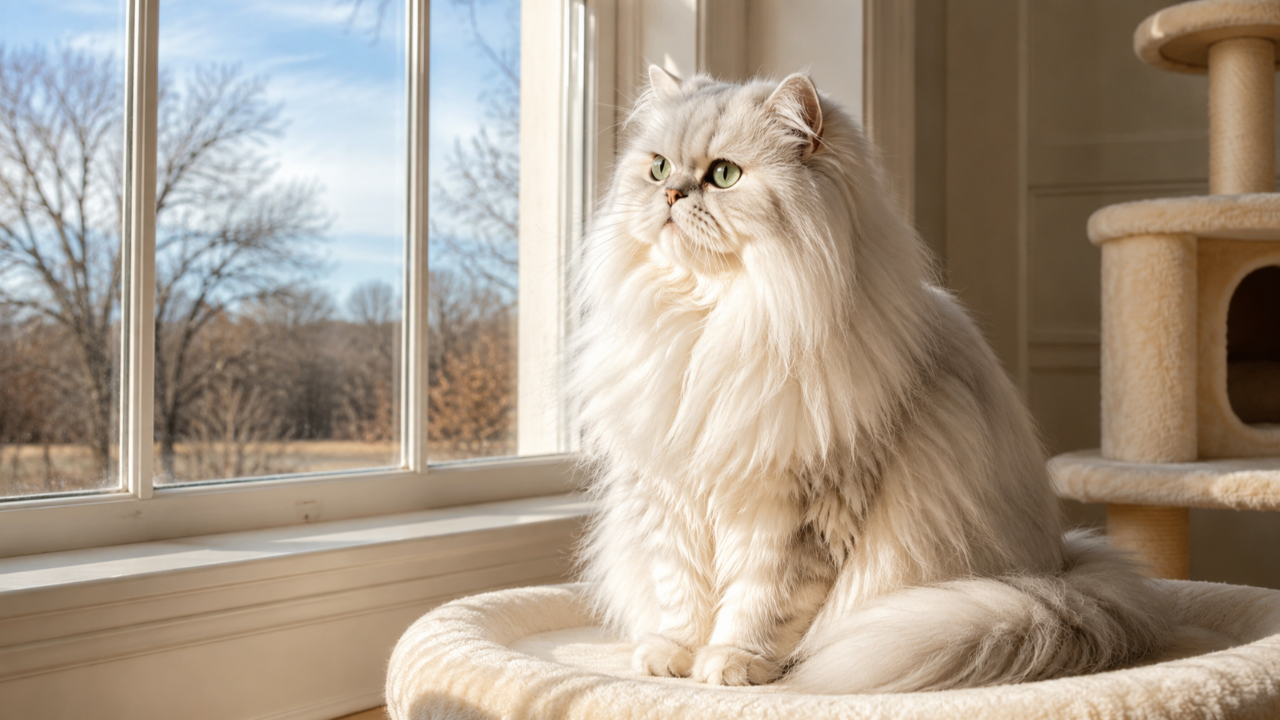
Here is something a lot of new cat breeders don’t realise. Your seasonal breeding queens may start calling in the middle of winter, not because winter feels like breeding season to us, but because the cats have noticed something we haven’t really noticed yet.
In Australia, around the 21st of June, we have the winter solstice. That is the shortest day of the year. I always remember it because it is Damien’s birthday, so it has become my little mental note for when things are about to start happening with my breeding girls.
From that day forward, the days slowly begin to get longer. The sun comes up a little earlier, the sun sets a little later, and even though we, as people, might not feel much difference straight away, our cats often do. There I am wearing ugg boots and jumpers thinking it is freezing and anything but kitten season. My breeding cats on the other hand are already reading the light like a calendar.
Seasonal Breeding Cats Are Watching The Light
Some breeds are known for being more seasonal. In my part of the world, I think of breeds like British Shorthairs, Selkirks, Scottish, and probably Persians as cats that often follow the warmer breeding season more strongly. That does not mean every single cat will behave the same way, because cats are cats and they do enjoy making to keep us guessing. But as a general pattern, these breeds often respond strongly to daylight changes.
Cats are influenced by photoperiod, which simply means the amount of light in the day. As the days get longer, their bodies start receiving signals that breeding season is coming. This is why people often talk about cats breeding in spring and summer. That is when we see a lot of the action, kittens arriving. But the trigger can start earlier than that.
By the time we are really noticing spring, the cats may have already been responding for weeks. They are not waiting for warm weather in the way we think they are. They are responding to the lengthening daylight, and that begins after the winter solstice.
Why Your Cat Might Be Calling In Winter
I had one of my Newbies in my New Cat Breeders Club comment recently because her British Shorthairs were calling, and she was surprised because it was winter in Queensland, Australia. I completely understood why she was surprised. To a human, winter feels like the wrong time. But to a seasonal breeding cat, winter can be the beginning of the countdown.
I replied to her and said mine had just started too. Trixie started calling two days earlier, and Suri started the next day. That is very normal in my cattery once we get past that shortest day of the year. Once one girl starts, the others often seem to follow. Anyone who has lived with calling queens knows this. One starts at it, and suddenly the whole team seems to remember they are entire females.
That does not mean they are copy cats. It often means their bodies have noticed that the days are getting longer.
The Breeding Season Starts Before It Looks Like Breeding Season
This is the part I think new breeders often miss. We talk about spring kittens, but those kittens do not begin in spring. If you want kittens born in spring, the mating often happens in winter. That means your queen may need to come into season while it still feels cold, wet, and completely unromantic outside.
A cat mated in winter can have kittens in spring. That is how the timing works. So while we might think of these cats as spring or summer breeders, the breeding season can begin for them much earlier than we realise.
This is why I like breeders to understand their own seasons. If you are in Australia, that winter turning point is around June. If you are in the Northern Hemisphere, the pattern is reversed, so you are looking around December. The exact date can shift slightly, but the idea is the same. After the shortest day, the light begins to increase, and seasonal cats notice.
Why Light Matters More Than Warmth
A lot of people try all sorts of things to encourage cats to call. They change food, move cats around, put girls near boys, wait for warmer weather, and try to make the environment feel more like breeding season. Some of those things may help a little in certain situations, especially when a queen is already close to calling. But the big natural signal for many seasonal cats is daylight.
Warmth feels obvious to us because we associate spring with breeding season. But the cat’s body is looking at light. That is why indoor lighting can also affect some cats. Cats living under strong artificial lighting may behave differently from cats living with more natural daylight patterns. Some indoor cats may call outside the season you expected, and some may cycle more often because their environment does not match a natural outdoor day and night rhythm.
This is also why you can have two breeders in different homes with the same breed seeing slightly different patterns. One cattery might have a lot of natural light. Another might have lights on late into the evening. One girl might respond strongly to the season, while another seems happy to call whenever she pleases.
What This Means For New Breeders
If you are new to cat breeding, this is one of those little things worth making a note of because it helps you understand your cats better. Don’t just think about mating dates and kitten due dates. Make notes about when your girls start calling, when they stop calling, and what time of year your breed seems most active in your own home.
Over time, you will start to see patterns. You might notice that your girls begin calling shortly after the winter solstice. You might notice one queen starts earlier than the others. You might notice the younger girls follow the older girls. You might notice that once one starts, the others are not far behind.
Those notes are gold because they help you plan. They help you stop feeling surprised every time your cats do something that feels early. And they help you understand that breeding cats is not just about putting a male and female together. It is about learning your cats, your breed, your environment, and your seasonal rhythm.
Calling Does Not Always Mean A Cat Should Be Mated
Now, this is where I want new breeders to slow their thinking down a little. A cat calling in winter does not automatically mean she should be mated. Calling means she is in season. It does not automatically mean she is the right age, in the right condition, at the right stage of her breeding plan, or ready for the mating you have in mind.
I have talked before about the difference between a cat being in season and a cat being ready to breed. They are not the same thing. A young queen can call before she is mature enough. A queen can call when she needs more condition. A queen can call when the timing is not right for your plans, your stud, your household, or your ability to raise a litter at that moment.
This is where good breeding decisions matter. You need to look at the whole cat, not just the calling. Her age, weight, health, maturity, recovery from any previous litter, and your actual breeding plan all need to be part of the decision.
A really good start is this article, How Do I Know If My Cat Is Ready to Breed?
The Simple Seasonal Breeding Reminder
If you breed seasonal cats, put the solstice dates in your calendar. Not because the cats will all magically start calling that exact day, but because those dates are the turning points. They remind you that the light is changing, and your cats may respond before you do.
In Australia, the winter solstice is around 21 June, and from there the days begin to lengthen. In the Northern Hemisphere, that same seasonal turning point happens around December. Once the daylight begins to increase, many seasonal breeders find their queens start waking up reproductively.
That is why your cat calling in winter is not as strange as it seems. She may simply be doing what seasonal cats do. She has noticed the light, her body has responded, and she is telling the whole house about it with absolute commitment.
Final Thoughts
Seasonal breeding cats are fascinating because they remind us how closely animals are connected to the natural world. We might still feel like winter is dragging on forever, but they can already feel the shift. The days are getting longer, the light is changing, and their bodies are starting to prepare for the breeding season ahead.
So if your seasonal queen starts calling in winter, don’t panic. Make a note of it. Watch the pattern. Learn what is normal for your breed and your home. That kind of observation is one of the things that helps you grow from someone who owns breeding cats into someone who really understands them.
Hey New Cat Breeders
Starting out can feel confusing. You’re clearly someone who cares about doing right by your cats, and that already puts you ahead of most. Amazing breeders don’t start perfect, they start supported.
⭐️NEW CAT BREEDERS CLUB⭐️
Clear guidance, practical knowledge, and a community that helps you make better breeding decisions from day one. It’s the kind of place you land and think, “Wow, this actually makes a difference.”
If you want more confidence, healthier litters, smarter choices, and kittens you can feel proud of, this is your next click.
Be Calm, Confident and Prepared on Birthing Day
Don’t Risk Being Unprepared When Your Queen Gives Birth
Download my free checklist and make sure you’re calm, confident, and ready when the big moment arrives.
Meet The Author