Can You Breed a Cat Without Registration?
Jun 17, 2026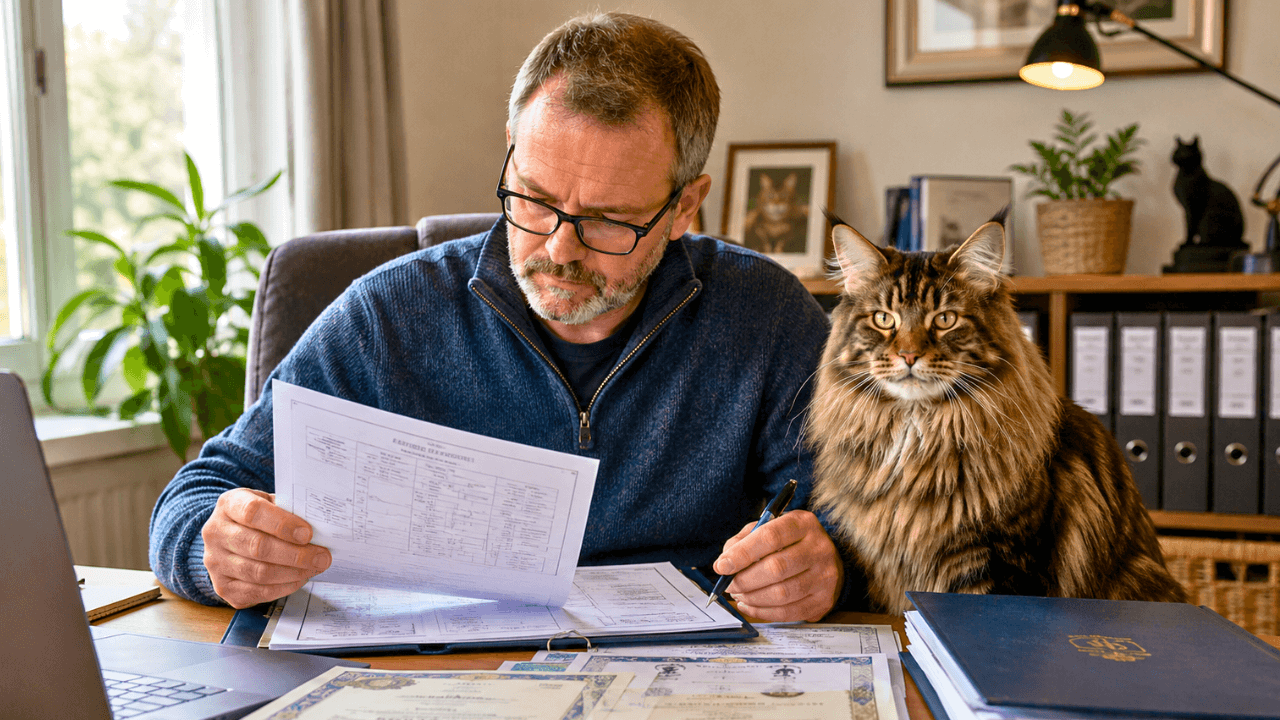
Yes, you can breed a cat without registration, because any entire cat can physically reproduce if it has the opportunity. Entire simply means the cat has not been desexed, spayed, or neutered. So if you put an entire male and an entire female together, the cats are not going to stop and ask whether you have a prefix, whether you're a member of an association, or whether the paperwork is in order. They are cats, and cats will breed.
But that is not the same thing as breeding registered pedigree cats. This is where new breeders can get themselves into all sorts of trouble because they think registration is something they can sort out later. They buy the cat first, make plans first, sometimes even breed the cat first, and then discover that the thing they thought they were buying is not actually what they have.
When people ask whether they can breed a cat without registration, I think what they are really asking is whether they can breed properly without being part of a recognised cat association. They might also be asking whether they can breed kittens from a cat that looks like a particular breed, even if the cat does not have the correct paperwork. The answer is that you can produce kittens, but you cannot honestly say you are breeding registered pedigree kittens if the registration, ownership, and pedigree records are not in place.
Breeding Cats And Breeding Pedigree Cats Are Not The Same Thing
This is the part that catches a lot of people out. A cat can look like a particular breed and still not be a registered pedigree cat. It can even come from cats that look like that breed, or from cats that someone claims are that breed, but if the paperwork is not recognised and properly recorded, you have a cat of a certain type rather than a cat that can be used within a registered breeding program.
Pedigree breeding is not just about putting two cats together and producing kittens. It is about knowing what is behind those cats. It is about recorded ancestry, association records, recognised pedigrees, breeding registers, ownership transfers, and rules that allow those kittens to be registered as part of a breed. If you take that record keeping away, you are no longer breeding within the cat fancy in the way registered pedigree breeders understand it.
To me, this is the difference between breeding with a purpose and simply producing kittens for sale. Within the cat fancy, we are supposed to be breeding towards something. We are preserving breeds, improving our cats, participating in shows, learning from judges, and being part of a wider hobby. If the only purpose is to put two entire cats together and sell the kittens, then that is not the same thing.
What Registration Actually Means
Registration is not one single thing. This is why new breeders can become so confused by it. There is registration for the breeder, registration for the cat, registration of the litter, transfer of ownership, and sometimes a difference between a cat being registered as a pet and a cat being on the breeding register. Those things all matter, and they need to line up before you start making breeding plans.
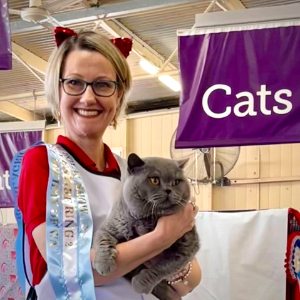
If you want to breed registered pedigree kittens, you need to be a member of a recognised association and you usually need a prefix. A prefix is the name that goes in front of the kittens you breed. Mine is Cuddleton, so the British Shorthairs I breed have Cuddleton in front of their registered names. That prefix connects the kittens I breed back to me and to my breeding program.
The cat you plan to breed from also needs to be properly registered and transferred into your name, and it needs to be on the breeding register rather than being sold to you as a pet. If the cat is not in your name, if the breeder has not done the paperwork, if the parents were not correctly registered, or if the association is not recognised by your own association, then you may not be able to register the kittens later. That is why you need to check these things before money changes hands.
When People Find Out Too Late
I have had people join my New Cat Breeders Club after they have already purchased cats, only to realise afterwards that they cannot do what they thought they could do with them. Sometimes the cats are not pedigree cats at all. Sometimes they came from an association that is not recognised by the association the person wants to join. Sometimes the breeder has promised paperwork but has not actually done what needed to be done behind the scenes.
A classic example is when someone buys a kitten and later asks for the pedigree paperwork because they want to transfer the cat into their own name and breed from it. Then they find out the person who bred the kitten has not even transferred the kitten's parents into their own name. That means the paperwork problem is not just with the kitten. It can go backwards through the parents, and sometimes through more than one generation.
I have seen situations where someone has raised a kitten into an adult, bred that cat, and then tried to register the litter, only to discover the cat could not be registered properly because the parents were not registered properly. By that point there are kittens on the ground and the problem is no longer theoretical. It is stressful, expensive, and sometimes impossible to fix.
I have also seen people with cats that are entire and physically able to breed, but they cannot be used within a registered breeding program because they have no recognised pedigree. Once you reach that point, there is often nothing anyone can do. You can breed outside the cat fancy with that cat if you choose to, but you cannot turn that cat into a registered pedigree breeding cat just because you want it to be one.
Registered Breeder Does Not Automatically Mean Good Breeder
People often assume that if someone is a registered breeder, that must mean they are ethical, knowledgeable, careful, and doing everything properly. I wish it were that simple, but it is not. Some of the worst breeders I have come across have been registered breeders, because becoming registered often means applying for membership and a prefix. Some associations have a higher bar than others, but registration on its own does not prove that someone is a good breeder.
This is why I always tell people to look at the breeder as a whole. Do they go to shows, or have they been involved in shows in the past? Do they share photos and videos of their cats in real life, not just endless sales posts? Can you see where the cats live? Do they talk about their retirees? Do they seem proud of the cats they have bred years later, or is everything on their page just kitten after kitten for sale?
For me, one of the ways I show what matters to me is by sharing my retired cats in their new homes. I love posting updates from people who adopted one of my retired breeding cats years ago. To me, that says something about the kind of breeder I am. I am not just interested in kittens being sold. I care about what happens to my cats after their breeding career is finished.
Associations are usually run by volunteers, and dealing with bad breeders can be a long and difficult process. If nobody complains, the association may not even know there is a problem. Even when people do complain, removing a breeder from an association is not always quick or simple. That is why reputation, visible behaviour, and proof of ethical choices matter as much as the fact someone has a prefix.
Why I Think Showing Still Matters
I often see people online saying they do not care about showing cats. They will say they have no interest in shows and that they just want to breed lovely family pets. I understand that not everyone wants to be at cat shows every weekend, and I also understand that distance, money, health, and confidence can all affect whether someone can show regularly. I am not saying every breeder needs to attend every show.
But I do think showing matters because the cat fancy is built around more than producing kittens. Shows are where our cats are assessed against the breed standard. They are where we learn what we are doing well and where our cats could be improved. They are also part of being visible in the hobby, meeting other breeders, and letting other people see the cats we are breeding.
If someone wants all the benefits of being a registered breeder but has no interest at all in participating in the hobby, that does not sit well with me. Breeding registered cats should not just be about having the public trust that comes with the word registered while still doing nothing more than rubbing two cats together and selling kittens. There should be purpose behind it.
That does not mean you have to be obsessive about showing. It might be one or two local shows a year. It might be showing when you can, even if it is not often. It might be getting your cats in front of judges now and again so you can check whether they are a good example of the breed. To me, that is part of breeding within the cat fancy rather than just using the label when it suits you.
A bit nervous about going to a show, check out this podcast episode Terrified of Your First CAT SHOW? Here's How to Overcome the Fear!
What To Check Before You Buy A Breeding Cat
Before you hand over money for a breeding cat, you need to check the paperwork properly. I know that can feel awkward when you are new, but it is much less awkward than discovering later that you have paid thousands of dollars for a cat you cannot use in the way you planned.
You can politely contact the breeder's association and ask whether the breeder is currently a member. There is nothing rude about that if you ask properly. I have seen a situation where someone was waiting for paperwork from a breeder, and when I followed it up with the association, it turned out the person had not been a member for three years. That is the kind of thing you want to know before you buy the cat, not after.
You also need to make sure the association the breeder belongs to is recognised by your own association. There are groups that look and sound like part of the cat fancy, but their pedigrees may not be recognised by the association you want to join. If your association will not accept the paperwork, then you may not be able to transfer the cat or register future kittens.
If you are buying a kitten for breeding, ask for copies of both parents' pedigrees. You want to check that the parents are registered, that they are registered to the person selling the kitten, and that they are on the breeding register. If the breeder has used an outside stud cat, you also want to know that the stud owner has given permission for the litter to be registered. I have seen problems happen when a stud owner refused to approve registration because of a dispute with the breeder, and the buyer was left caught in the middle.
You also need to ask about restrictions before you pay. If someone says you can buy the cat for breeding but you cannot sell breeding kittens from it, or you cannot use certain lines, or you are restricted several generations forward, you need to understand what that means. Sometimes restrictions are reasonable. Sometimes they make the cat far less useful to you than the price suggests. You need to know that before you agree.
Ask For Help Before You Make An Expensive Mistake
One of the hardest parts about being new is that you do not know what you are looking at yet. I can look at a pedigree and often see problems quickly because I have spent years looking at them. I have seen names that do not match, ownership problems, colour combinations that do not make sense, associations that are not recognised, and pedigrees that look official to a beginner but are not useful for what that person wants to do.
A new breeder should not feel embarrassed about asking someone experienced to look over the paperwork before they buy a cat. That is sensible. In fact, that is exactly the sort of thing I help people with inside my New Cat Breeders Club, because sometimes a quick check before you buy can save you from a problem that cannot be fixed later.
That's one of the reasons I created this website in the first place. When you're new, it's often hard to know what questions to ask, let alone how to spot a problem before it becomes an expensive mistake.
If you are not sure, ask your association. Send them the details and ask whether the cat, the parents, or the association look acceptable for transfer and future registration. Ask politely and give them the information they need. It is much better to ask before you pay than to ask after you have already fallen in love with the cat and brought it home.
Final Thoughts
So yes, you can breed a cat without registration. People do it every day. If your only goal is to produce kittens from entire cats, registration will not physically stop that from happening.
But if your goal is to be a pedigree cat breeder within the cat fancy, registration is not a little detail you can sort out later. It is the foundation that allows your cats and kittens to be recognised, recorded, transferred, shown, and bred from within that system.
To me, the important question is not whether you can breed without registration. The important question is what kind of breeder you want to be. If you want to breed registered pedigree cats properly, do the checking first, get the paperwork right, and make sure the cat you are buying can actually be part of the breeding program you are trying to build.
Hey New Cat Breeders
Starting out can feel confusing. You’re clearly someone who cares about doing right by your cats, and that already puts you ahead of most. Amazing breeders don’t start perfect, they start supported.
⭐️NEW CAT BREEDERS CLUB⭐️
Clear guidance, practical knowledge, and a community that helps you make better breeding decisions from day one. It’s the kind of place you land and think, “Wow, this actually makes a difference.”
If you want more confidence, healthier litters, smarter choices, and kittens you can feel proud of, this is your next click.
Be Calm, Confident and Prepared on Birthing Day
Don’t Risk Being Unprepared When Your Queen Gives Birth
Download my free checklist and make sure you’re calm, confident, and ready when the big moment arrives.
Meet The Author